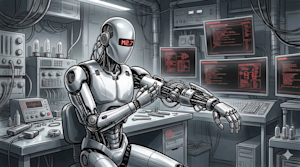
In a significant leap for AI development, Chinese startup MiniMax has released its proprietary model, M2.7, which is capable of performing 30-50% of the reinforcement learning research workflow independently.
What It Is
The MiniMax M2.7 is a large language model (LLM) designed not just to perform tasks but to improve itself. This model can power AI agents and serve as a backend for third-party tools like Claude Code and OpenClaw, making it versatile for various applications.
Why It Matters
For founders, the M2.7 represents a paradigm shift in AI development. By enabling self-evolution, it reduces reliance on human intervention for model optimization, potentially saving time and costs while increasing efficiency. As more startups explore AI integration, having access to a model that can continuously improve itself could be a game-changer.
Key Features
- Self-Evolving Capabilities: M2.7 can autonomously build, monitor, and optimize its own reinforcement learning frameworks.
- Cost Efficiency: The model maintains high intelligence levels comparable to industry leaders while offering significant cost savings.
- Proprietary Innovation: Unlike many open-source models, M2.7's proprietary nature reflects a strategic shift among Chinese AI startups, which could lead to new competitive advantages.
Founder Takeaway
Consider integrating MiniMax M2.7 into your operations to leverage its self-evolving capabilities. This could streamline your AI workflows, reduce costs, and keep your startup ahead in the competitive landscape.