
goastVS – AI Tool for Code
AI autopilot for software engineers.
Reviews & Comments
Become the first to write about this tool
TL;DR — goastVS
AI autopilot for software engineers. Pricing starts from ₹41,666/mo with a free tier available. Security: Published posture.
What is goastVS?
goast.ai is an AI coding assistant tool that helps software engineers with various coding tasks. It offers a Visual Studio Code (VS Code) extension that can be downloaded from the marketplace. One of its key features is the ability to prompt its AI engine to tackle coding tasks, making it useful for automating time-consuming and annoying coding tasks. Additionally, the tool goes beyond traditional autocomplete features by providing code suggestions based on a deep understanding of the entire project. It can also automatically find and fix bugs, providing reliable and accurate bug fixes based on user prompts.Furthermore, goast.ai can assist in setting up projects quickly by integrating external code without merge conflicts. It can also help configure backend infrastructure, such as packaging an app for a docker container or adding specific frameworks or components like Material UI and Firebase Remote Config.The tool supports a wide range of major frameworks and languages, including React, Flutter, TypeScript, Go, JavaScript, and Python. Several users have expressed positive feedback, highlighting its usefulness in saving time and solving complex coding problems.goast.ai is currently in beta testing, and interested users have the opportunity to become beta testers and receive free tokens to use with the extension. The tool aims to provide an efficient and reliable coding assistant for software engineers, improving productivity and reducing manual coding efforts.
Security Assessment
Published posture scored 12/20 or above. We check HTTPS, a reachable privacy policy, and stated compliance commitments. We do not perform security testing.
Last assessed: 21 August 2026
How this score was built
Each scored criterion links to the published page it was derived from. Unscored criteria are marked, not guessed. This listing has not been hands-on tested.
- 8/10
Security & Data Privacy
The privacy policy outlines data collection and usage practices, indicating a commitment to user privacy.
Source: goast.ai - 8/10
Functionality & Features
The homepage describes various features of the product, including bug fixing and integration capabilities.
Source: goast.ai - Not assessed
Ease of Use
Requires hands-on use of the product.
- Not assessed
Pricing & Value
No citable published evidence in this pass.
- Not assessed
Reliability & Performance
Requires hands-on use of the product.
- 7/10
Integration Capabilities
The homepage mentions integrations with popular observability tools like Sentry and Datadog.
Source: goast.ai - Not assessed
Customer Support
No citable published evidence in this pass.
- 5/10
Company Stability
The homepage mentions that the Goast Team is joining Datadog, indicating some level of company stability.
Source: goast.ai - Not assessed
Update Frequency
No citable published evidence in this pass.
- Not assessed
Startup-Friendliness
No citable published evidence in this pass.
Frequently Asked Questions
What is goastVS and what does it do?
AI autopilot for software engineers.
What does goastVS cost in India?
goastVS starts at ₹41,666/month (plus 18% GST). A free tier is available to get started.
Is goastVS safe for startups?
goastVS has a published security posture scoring 12/20 or above (HTTPS, a reachable privacy policy, and/or stated compliance commitments). We do not perform security testing.
How is goastVS rated on One9Founders?
goastVS has not yet been rated on our 10-point evaluation framework. See How We Rate for the 10-criterion framework and status definitions.
Alternatives to goastVS

Claude is an AI chat assistant.

AI-powered pair programming tool for suggesting code in real-time

Google’s multimodal AI assistant designed for creative and productive collaboration.
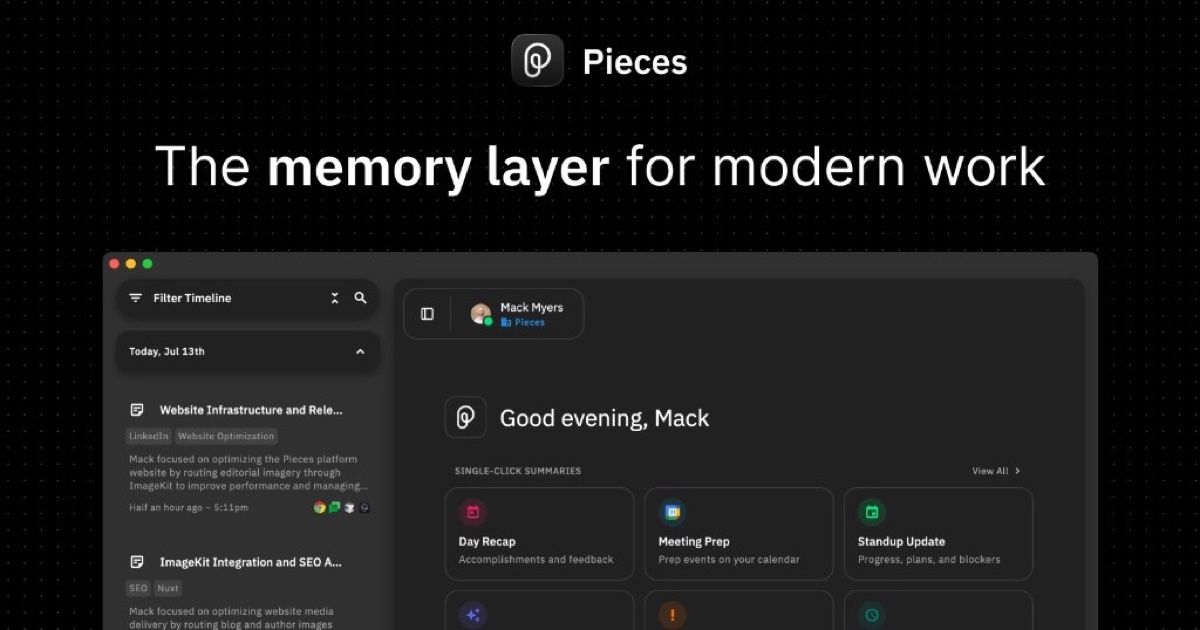
Supercharge your coding with AI-powered snippets and tools.
AI-powered code assistant for developers

AI-powered code generation tool by OpenAI.

Optimizing WordPress plugin creation.
Web UI for Stable Diffusion image generation