GPT Driver – AI Tool for Automation
Let AI handle your mobile app QA testing.
Reviews & Comments
Become the first to write about this tool
TL;DR — GPT Driver
Let AI handle your mobile app QA testing. Security: Published posture.
What is GPT Driver?
GPT Driver is an AI-powered tool designed to revolutionize mobile app quality assurance (QA). It offers a comprehensive approach for testing mobile apps, intended to provide increased accuracy and coverage while simultaneously reducing costs. GPT Driver supports autonomous testing, independently generating test cases, and examining your mobile app based on detailed instructions or high-level objectives.The platform boasts Visual Recognition capabilities that utilize the visual output of devices, eliminating dependencies on User Interface (UI) hierarchies and element identifiers. This makes the tool technology-agnostic, capable of working seamlessly across all technologies, including web views and native phone elements, without the need for direct source code access.GPT Driver places emphasis on enabling organizations to define tests in natural language, facilitating non-technical team members ability to understand and manage test cases. It offers a browser-based setup for creating mobile tests, aiming to reduce setup time and eliminate hardware limitations.One of its highlighted features is the tool's seamless recording of test flows, which facilitates the generation of robust test prompts ready for execution. GPT Driver also offers automated regression testing and has built-in features for early bug detection. It helps catch deficiencies early in the development cycle, potentially accelerating release pipelines while simultaneously minimizing maintenance efforts.Another significant benefit of this tool lies in its adaptable nature, designed to automatically adjust to changes, thereby reducing the time spent fixing broken test code. User reviews indicate GPT Driver's efficiency and reliability in automating UI tests for both iOS and Android apps, its usability across various skill levels, and its notably responsive support.
Security Assessment
Published posture scored 12/20 or above. We check HTTPS, a reachable privacy policy, and stated compliance commitments. We do not perform security testing.
Last assessed: 21 August 2026
How this score was built
Each scored criterion links to the published page it was derived from. Unscored criteria are marked, not guessed. This listing has not been hands-on tested.
- 6/10
Security & Data Privacy
The site uses HTTPS, but there is no specific privacy policy or mention of SOC 2/GDPR/DPA.
Source: mobileboost.io - 5/10
Functionality & Features
The homepage mentions AI Test Automation for Mobile App QA, indicating some functionality.
Source: mobileboost.io - Not assessed
Ease of Use
Requires hands-on use of the product.
- Not assessed
Pricing & Value
No citable published evidence in this pass.
- Not assessed
Reliability & Performance
Requires hands-on use of the product.
- Not assessed
Integration Capabilities
No citable published evidence in this pass.
- Not assessed
Customer Support
No citable published evidence in this pass.
- Not assessed
Company Stability
No citable published evidence in this pass.
- Not assessed
Update Frequency
No citable published evidence in this pass.
- Not assessed
Startup-Friendliness
No citable published evidence in this pass.
Frequently Asked Questions
What is GPT Driver and what does it do?
Let AI handle your mobile app QA testing.
What does GPT Driver cost in India?
GPT Driver is a paid tool.
Is GPT Driver safe for startups?
GPT Driver has a published security posture scoring 12/20 or above (HTTPS, a reachable privacy policy, and/or stated compliance commitments). We do not perform security testing.
How is GPT Driver rated on One9Founders?
GPT Driver has not yet been rated on our 10-point evaluation framework. See How We Rate for the 10-criterion framework and status definitions.
Alternatives to GPT Driver

Claude is an AI chat assistant.
AI-powered tool for generating documents, spreadsheets, apps, charts, and images with citations
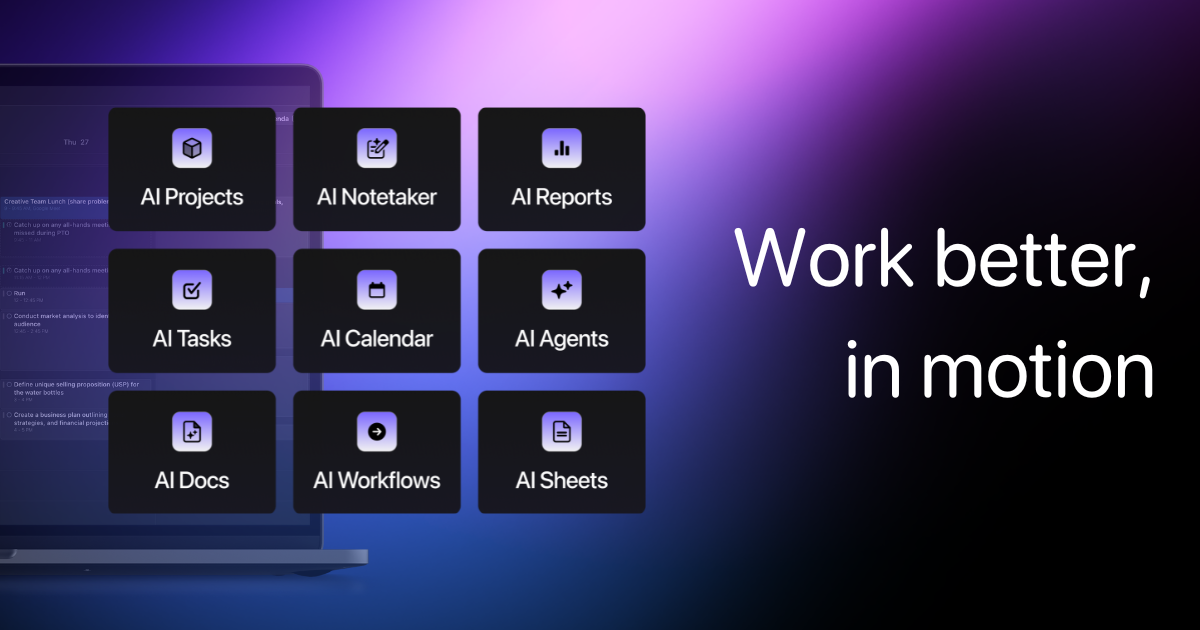
AI-powered productivity boost for busy people and teams.
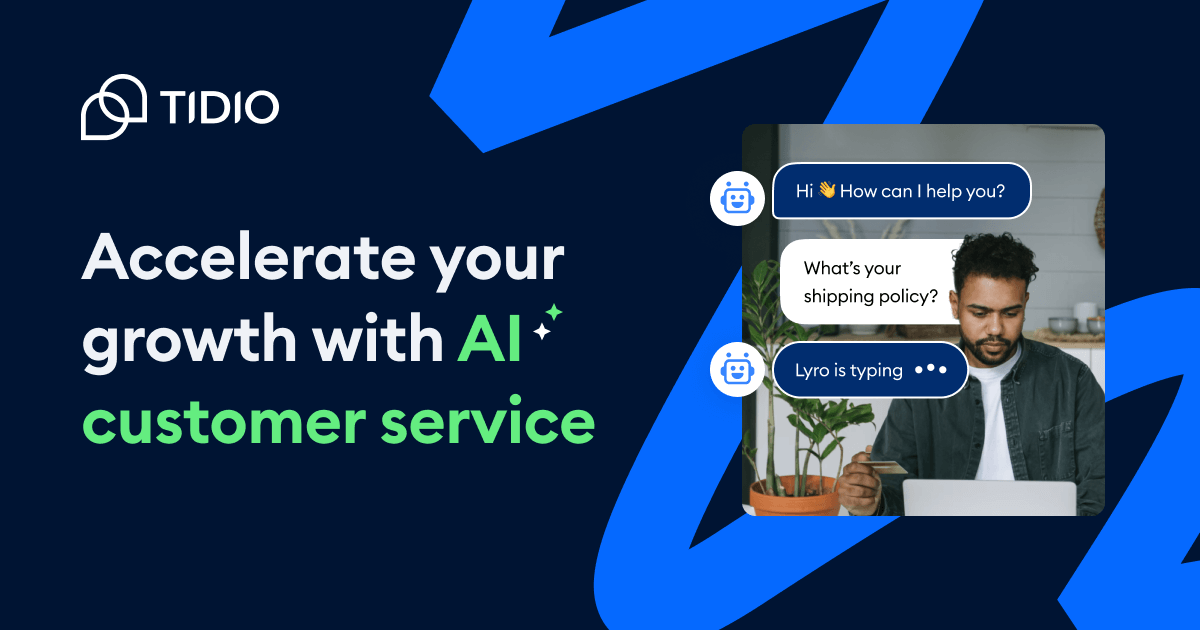
AI-powered customer service to boost revenue and support
Automation tool connecting various apps and services.
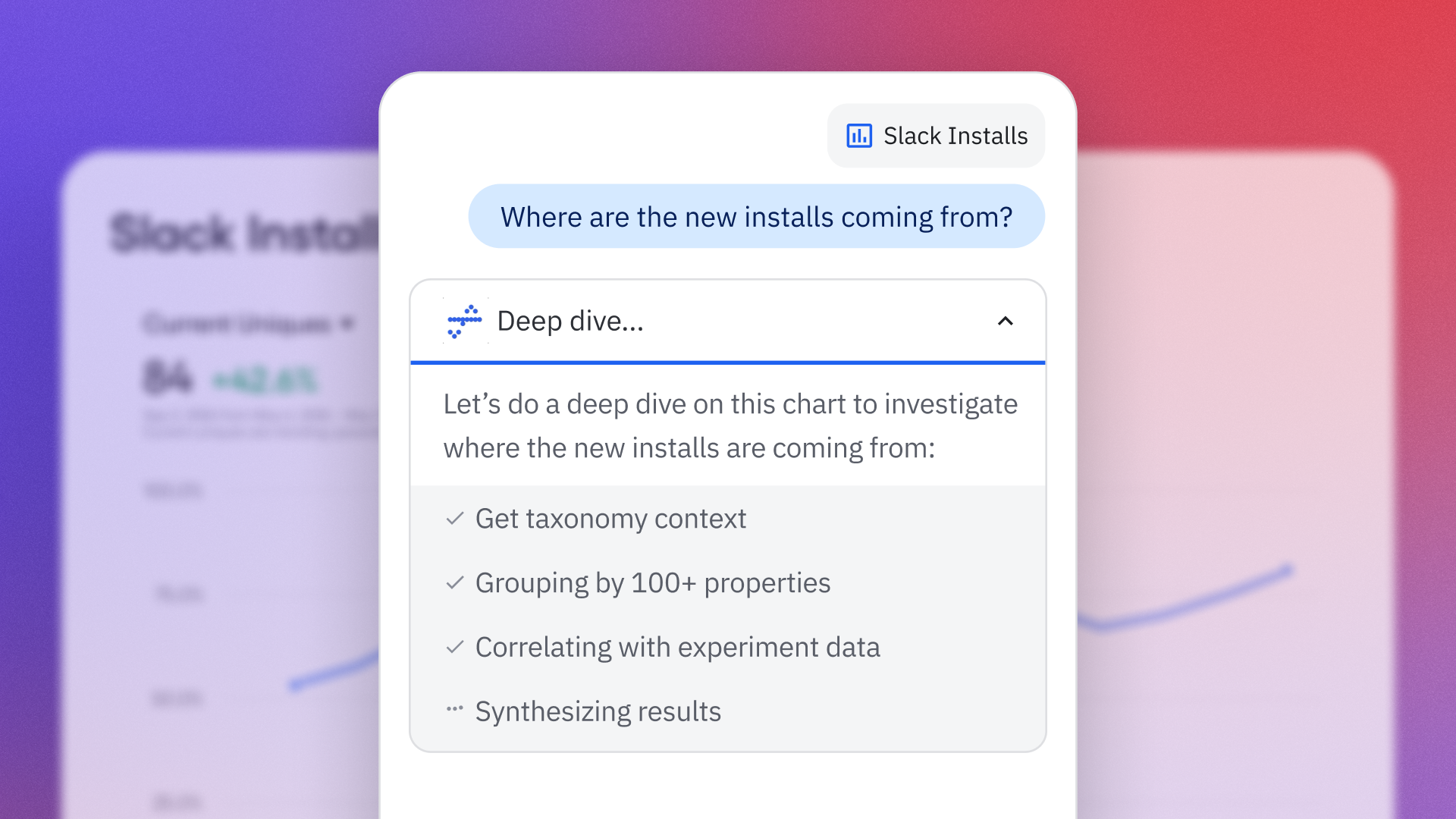
Amplitude provides analysis tools using natural language.

Build impactful AI agents collaboratively

Secure AI-native workflow automation for techies.