Keploy – AI Tool for Automation
AI-powered API test case and mock generator
Reviews & Comments
Become the first to write about this tool
TL;DR — Keploy
AI-powered API test case and mock generator. Pricing starts from ₹8,350/mo with a free tier available. Security: Flagged.
What is Keploy?
Keploy is an open source API test case and data mock generation tool specifically designed for developers to facilitate end-to-end testing. It enables developers to achieve 90% test coverage within minutes by leveraging artificial intelligence. By converting user-traffic into test cases and data stubs, Keploy simplifies the testing process and ensures that the generated tests are effective. The tool addresses common challenges in software development such as manual test writing, inefficient code paths, dependency chaos, and difficulty in reproducing production issues for testing and debugging purposes. With Keploy, developers can capture network interactions, automate scenarios, and seamlessly integrate the tool into their workflows, resulting in accelerated development processes. It offers features like test and stub generation, test deduplication, and native integration, enhancing collaboration and providing security and administrative features suitable for team environments. Keploy has gained trust and recognition from notable companies such as Pixis, Instaastro, Amazon, Reliance, Whatfix, Lambdatest, Leadsquare, and Edureka. It also boasts a supportive community, with active presence on platforms like Twitter, GitHub, Slack, YouTube, and LinkedIn. Technical support is offered by the Keploy team. Developers have the opportunity to challenge Keploy's test coverage capabilities by sharing the dependencies of their applications, and if Keploy can generate API tests for them, they can keep the tests or receive a $100 reward if the tool cannot deliver. Overall, Keploy empowers developers by streamlining testing processes and improving test coverage.
Security Assessment
Published posture scored below 12/20 on Security & Data Privacy. Review the source links and the methodology before using it with sensitive data. We do not perform security testing.
Last assessed: 21 August 2026
How this score was built
Each scored criterion links to the published page it was derived from. Unscored criteria are marked, not guessed. This listing has not been hands-on tested.
- 4/10
- 7/10
Functionality & Features
The homepage describes the product as AI Code Verification with Production Traffic Digital Twins.
Source: keploy.io - Not assessed
Ease of Use
Requires hands-on use of the product.
- 8/10
- Not assessed
Reliability & Performance
Requires hands-on use of the product.
- Not assessed
Integration Capabilities
No citable published evidence in this pass.
- Not assessed
Customer Support
No citable published evidence in this pass.
- Not assessed
Company Stability
No citable published evidence in this pass.
- Not assessed
Update Frequency
No citable published evidence in this pass.
- 8/10
Startup-Friendliness
The pricing page mentions a free tier that is suitable for startups.
Source: keploy.io
Frequently Asked Questions
What is Keploy and what does it do?
AI-powered API test case and mock generator.
What does Keploy cost in India?
Keploy starts at ₹8,350/month (plus 18% GST). A free tier is available to get started.
Is Keploy safe for startups?
Keploy is flagged on our Security & Data Privacy criterion (scored below 12/20). Review the full assessment before using it for sensitive startup data.
How is Keploy rated on One9Founders?
Keploy has not yet been rated on our 10-point evaluation framework. See How We Rate for the 10-criterion framework and status definitions.
Alternatives to Keploy

Claude is an AI chat assistant.
AI-powered tool for generating documents, spreadsheets, apps, charts, and images with citations
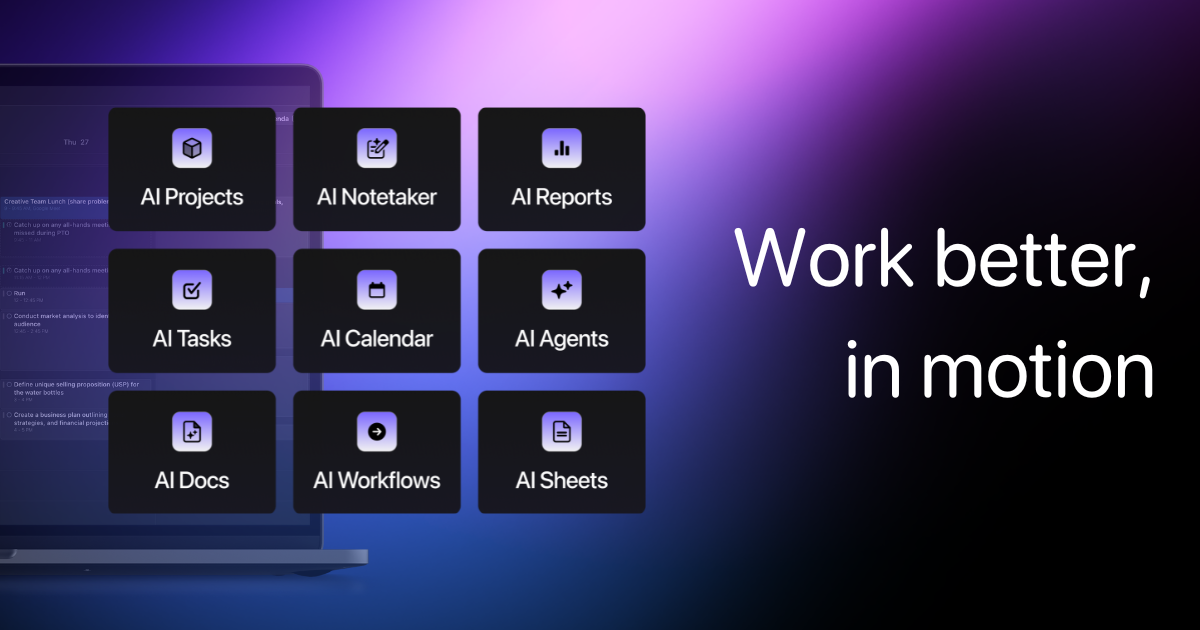
AI-powered productivity boost for busy people and teams.
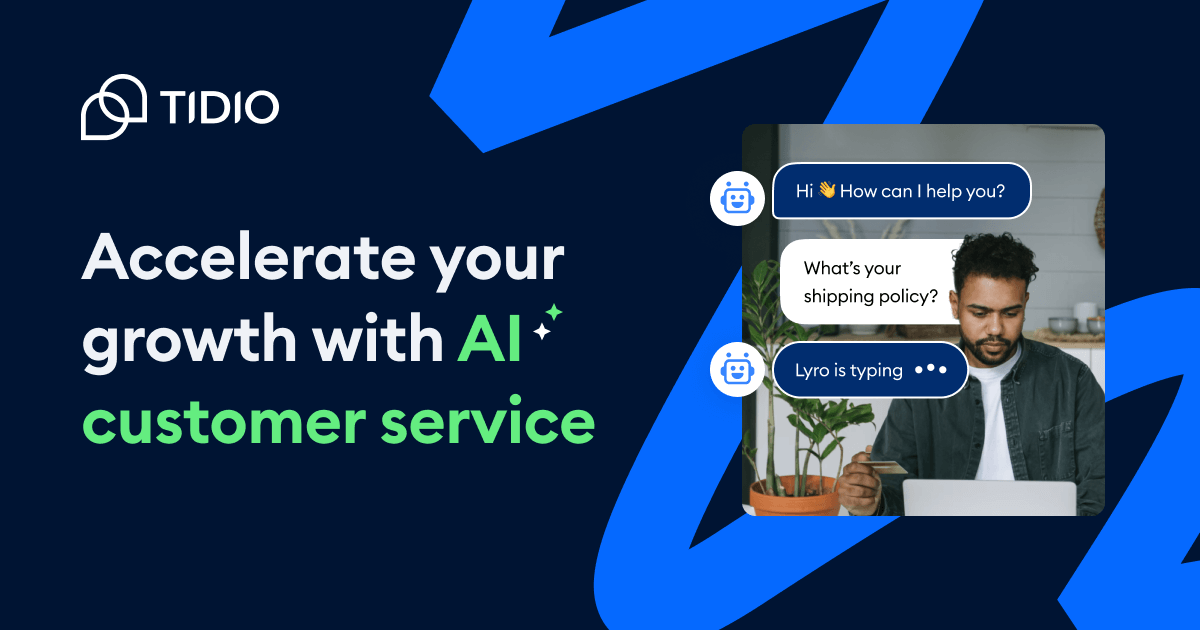
AI-powered customer service to boost revenue and support
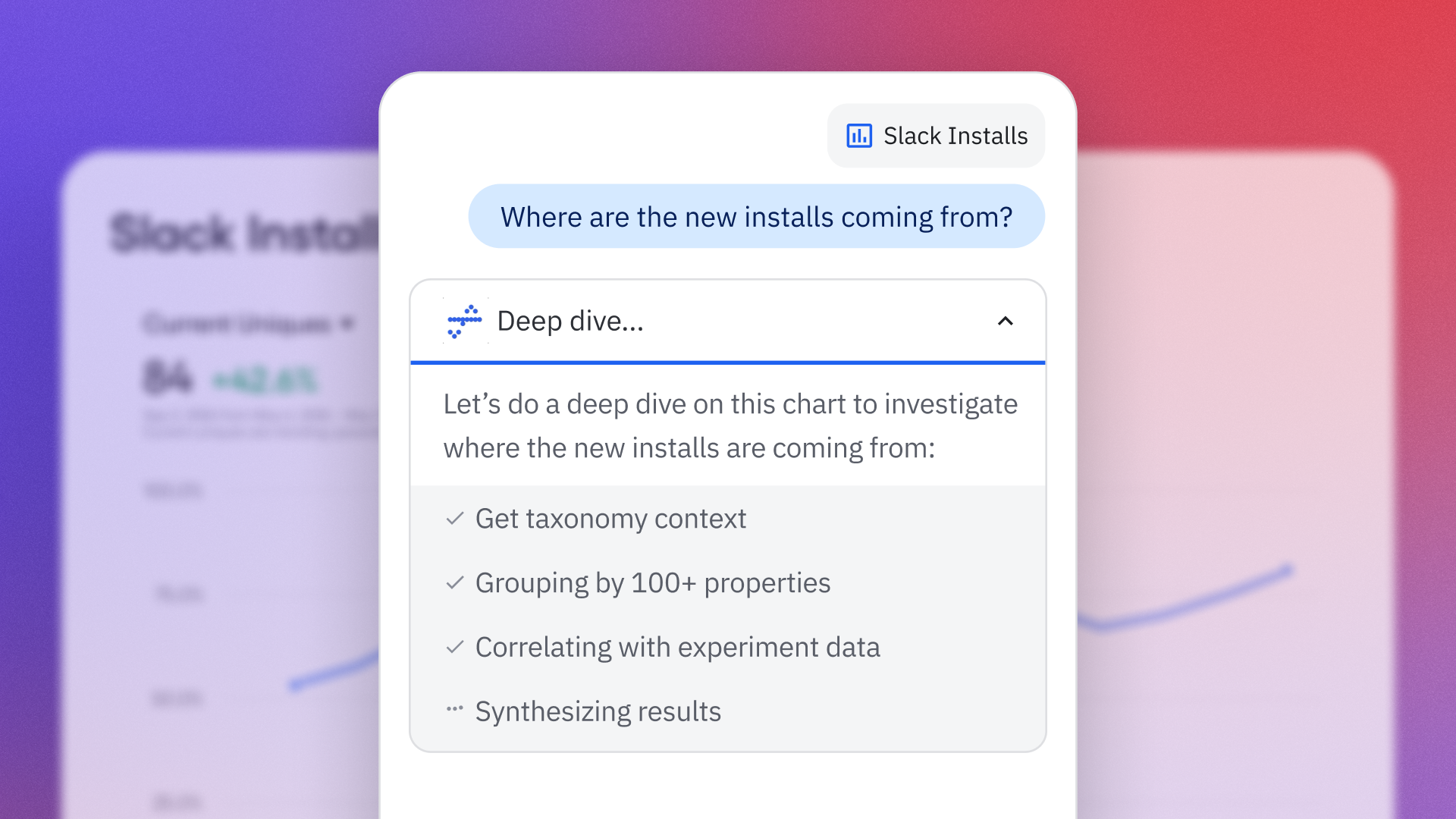
Amplitude provides analysis tools using natural language.
Automation tool connecting various apps and services.

Build impactful AI agents collaboratively

AI tool for connecting projects and knowledge management.