LIDA – AI Tool for Data Analysis
Generate visualizations from data using AI
Reviews & Comments
Become the first to write about this tool
TL;DR — LIDA
Generate visualizations from data using AI. Security: Flagged.
What is LIDA?
LIDA is a powerful tool that automates data exploration and generates visualizations and infographics using large language models (LLMs) like ChatGPT and GPT4. It provides a conversational interface for automatic generation of grammar-agnostic visualizations from data. LIDA consists of four modules: the Summarizer, which converts data into a compact natural language summary; the Goal Explorer, which enumerates visualization goals based on the data; the VisGenerator, which generates, refines, executes, and filters visualization code; and the Infographer, which produces data-faithful stylized graphics using image generation models.LIDA is compatible with any programming language or visualization grammar, allowing users to create visualizations in Python (e.g., Altair, Matplotlib, Seaborn), R, C++, and more. It also offers operations on existing visualizations, such as visualization explanation, self-evaluation, automatic repair, and recommendation.The tool supports various capabilities, including data summarization, automated data exploration, grammar-agnostic visualizations, and infographics generation. It leverages the language modeling and code-writing capabilities of LLMs, enabling core automated visualization capabilities. LIDA also provides operations on generated visualizations, such as visualization explanation, self-evaluation, visualization repair, and visualization recommendations.LIDA's architecture combines LLMs and image generation models (IGMs) to address the multi-stage generation problem of visualization creation. It is open-source and offers a Python API and a hybrid user interface for interactive chart, infographic, and data story generation.While LIDA has limitations with visualization grammars not well-represented in the LLM's training dataset and performance variations depending on the choice of visualization libraries and code generation capabilities, it remains a powerful tool for automating the visualization generation process.
Security Assessment
Published posture scored below 12/20 on Security & Data Privacy. Review the source links and the methodology before using it with sensitive data. We do not perform security testing.
Last assessed: 21 August 2026
How this score was built
Each scored criterion links to the published page it was derived from. Unscored criteria are marked, not guessed. This listing has not been hands-on tested.
- 4/10
Security & Data Privacy
The privacy page is missing, but HTTPS is used for the site.
Source: microsoft.github.io - Not assessed
Functionality & Features
No citable published evidence in this pass.
- Not assessed
Ease of Use
Requires hands-on use of the product.
- Not assessed
Pricing & Value
No citable published evidence in this pass.
- Not assessed
Reliability & Performance
Requires hands-on use of the product.
- Not assessed
Integration Capabilities
No citable published evidence in this pass.
- Not assessed
Customer Support
No citable published evidence in this pass.
- Not assessed
Company Stability
No citable published evidence in this pass.
- Not assessed
Update Frequency
No citable published evidence in this pass.
- Not assessed
Startup-Friendliness
No citable published evidence in this pass.
Frequently Asked Questions
What is LIDA and what does it do?
Generate visualizations from data using AI.
What does LIDA cost in India?
LIDA is a paid tool. A free tier is available to get started.
Is LIDA safe for startups?
LIDA is flagged on our Security & Data Privacy criterion (scored below 12/20). Review the full assessment before using it for sensitive startup data.
How is LIDA rated on One9Founders?
LIDA has not yet been rated on our 10-point evaluation framework. See How We Rate for the 10-criterion framework and status definitions.
Alternatives to LIDA

Claude is an AI chat assistant.
AI-powered tool for generating documents, spreadsheets, apps, charts, and images with citations

Google’s multimodal AI assistant designed for creative and productive collaboration.

AI software for content planning and optimization.
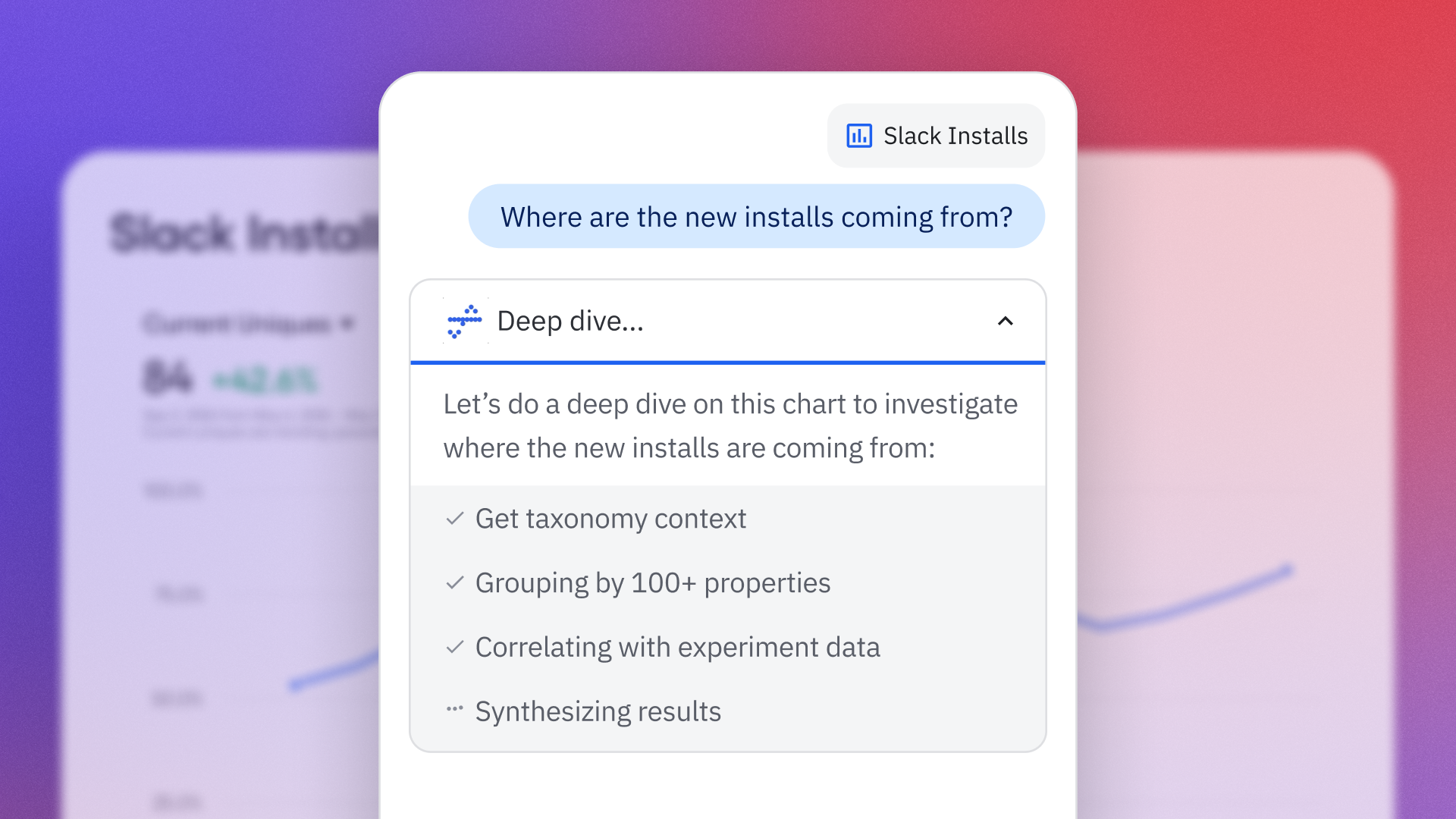
Amplitude provides analysis tools using natural language.

SEO and marketing platform for brand visibility.

Web data platform for investment firms.

Tool for performing SWOT analysis using AI.