Parliant.AI – AI Tool for Chatbots
AI-powered conversations for deeper customer insights.
Reviews & Comments
Become the first to write about this tool
TL;DR — Parliant.AI
AI-powered conversations for deeper customer insights. Pricing starts from ₹4,092/mo with a free tier available. Security: Published posture.
What is Parliant.AI?
Parliant.AI is a tool designed to assist in customer experience gathering through AI-powered conversations. Its primary function is to conduct open-ended surveys, encouraging a conversational approach to data collection rather than traditional static form-based methods. Respondents interact with the AI, providing their feedback via typing or voice, which allows for a more natural and comprehensive capture of their thoughts and experiences. Parliant.AI provides a more fluid method for understanding customer perspectives by asking intelligent follow-up questions, adapting to responses in real-time. This method aims to stimulate deeper engagement from respondents, resulting in more valuable qualitative data for understanding customer behaviour and sentiment. Beyond data collection, Parliant.AI also comes with analytical capabilities. It automatically categorizes responses, identifies recurrent themes, and extracts actionable insights from open-ended answersallowing users to derive significant output from the data without the need for manual coding. Ease-of-use is another key feature of this tool. Users simply inform the AI about what insights they seek, and the AI develops the entire flow of conversation, eliminating the requirement for perfect phrasing or form design. It offers multiple subscription plans, catering to various research needs. Despite its advanced capabilities, it's designed with simplicity and transparency in mind making it accessible and functional for users.
Security Assessment
Published posture scored 12/20 or above. We check HTTPS, a reachable privacy policy, and stated compliance commitments. We do not perform security testing.
Last assessed: 21 August 2026
How this score was built
Each scored criterion links to the published page it was derived from. Unscored criteria are marked, not guessed. This listing has not been hands-on tested.
- 8/10
Security & Data Privacy
The privacy policy outlines data collection practices and mentions compliance with GDPR.
Source: parliant.ai - 8/10
Functionality & Features
The homepage describes AI-powered conversational surveys and their benefits.
Source: parliant.ai - Not assessed
Ease of Use
Requires hands-on use of the product.
- 6/10
Pricing & Value
The homepage lists a free tier and a paid plan with pricing details.
Source: parliant.ai - Not assessed
Reliability & Performance
Requires hands-on use of the product.
- Not assessed
Integration Capabilities
No citable published evidence in this pass.
- Not assessed
Customer Support
No citable published evidence in this pass.
- Not assessed
Company Stability
No citable published evidence in this pass.
- Not assessed
Update Frequency
No citable published evidence in this pass.
- 6/10
Startup-Friendliness
The homepage mentions a free tier, indicating startup-friendliness.
Source: parliant.ai
Frequently Asked Questions
What is Parliant.AI and what does it do?
AI-powered conversations for deeper customer insights.
What does Parliant.AI cost in India?
Parliant.AI starts at ₹4,092/month (plus 18% GST). A free tier is available to get started.
Is Parliant.AI safe for startups?
Parliant.AI has a published security posture scoring 12/20 or above (HTTPS, a reachable privacy policy, and/or stated compliance commitments). We do not perform security testing.
How is Parliant.AI rated on One9Founders?
Parliant.AI has not yet been rated on our 10-point evaluation framework. See How We Rate for the 10-criterion framework and status definitions.
Alternatives to Parliant.AI

Claude is an AI chat assistant.

AI voice generation tool for various applications.

Google’s multimodal AI assistant designed for creative and productive collaboration.
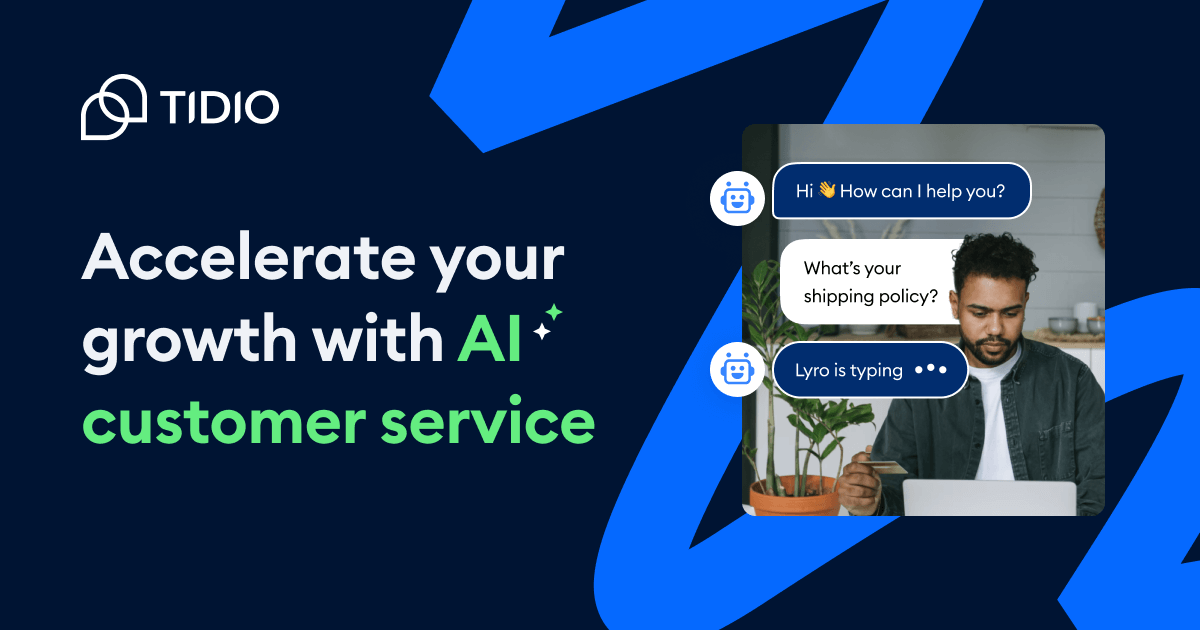
AI-powered customer service to boost revenue and support
Organize your best ideas with AI-powered notes
Build impactful AI agents collaboratively

Search with Google and ChatGPT combined.

AI agent platform for customer support.