
TL;DR
TimeOS at a glance
AI time management for automated meetings and scheduling. Pricing starts from ₹1,586/mo with a free tier available. Security: Flagged.
Overview
What is TimeOS?
timeOS is a Time Management AI tool designed to enhance your time management skills and productivity. It focuses on automating meeting-related tasks such as note-taking and scheduling. Compatible with popular meeting platforms like Zoom, Google Meet, and Microsoft Teams, timeOS seamlessly integrates with your calendar to generate accurate and comprehensive meeting notes and summaries.One of its key features is the ability to capture meeting notes, follow up on action items, and delegate tasks using artificial intelligence. This not only saves time but also ensures that important action items are not overlooked. timeOS also assists in writing follow-up emails, drafting them in a way that is personalized and aligned with your writing style.The tool offers multi-language support, making it suitable for users who speak different languages. It can integrate with various productivity tools such as Notion, ClickUp, Asana, and Slack, allowing for easy synchronization of action items and tasks.timeOS prioritizes user data privacy and security. It encrypts data during transit and utilizes secure hosting on AWS. The tool does not train its AI or OpenAI with meeting content and ensures that customer data is protected. Users have control over their data and can request its deletion at any time.Highly praised by professionals and teams, timeOS is praised for its ability to improve meeting efficiency and productivity. By automating note-taking and follow-up tasks, it allows users to be fully present in meetings and saves hours each week.timeOS is available for free, with the option to add it to your browser for convenient access.
Trust
Security assessment
Methodology
How this score was built
Each scored criterion links to the published page it was derived from. Unscored criteria are marked, not guessed. This listing has not been hands-on tested.
- 4/10
Security & Data Privacy
The privacy policy page is missing, but HTTPS is present.
Source: timeless.day - 8/10
- Not assessed
Ease of Use
Requires hands-on use of the product.
- 8/10
Pricing & Value
The pricing page details a free plan and various subscription options.
Source: timeless.day - Not assessed
Reliability & Performance
Requires hands-on use of the product.
- Not assessed
Integration Capabilities
No citable published evidence in this pass.
- Not assessed
Customer Support
No citable published evidence in this pass.
- Not assessed
Company Stability
No citable published evidence in this pass.
- Not assessed
Update Frequency
No citable published evidence in this pass.
- 8/10
FAQ
Frequently asked questions
What is TimeOS and what does it do?
AI time management for automated meetings and scheduling.
What does TimeOS cost in India?
TimeOS starts at ₹1,586/month (plus 18% GST). A free plan is available to get started.
Is TimeOS safe for startups?
TimeOS is flagged on our Security & Data Privacy criterion (scored below 12/20). Review the full assessment before using it for sensitive startup data.
How is TimeOS rated on One9Founders?
TimeOS has not yet been rated on our 10-point evaluation framework. See How We Rate for the 10-criterion framework and status definitions.
Community
Reviews & comments
Become the first to write about this tool
Last assessed: 22 August 2026
Alternatives
Alternatives to TimeOS

Anthropic's AI assistant for writing, coding, research, and Claude Code.
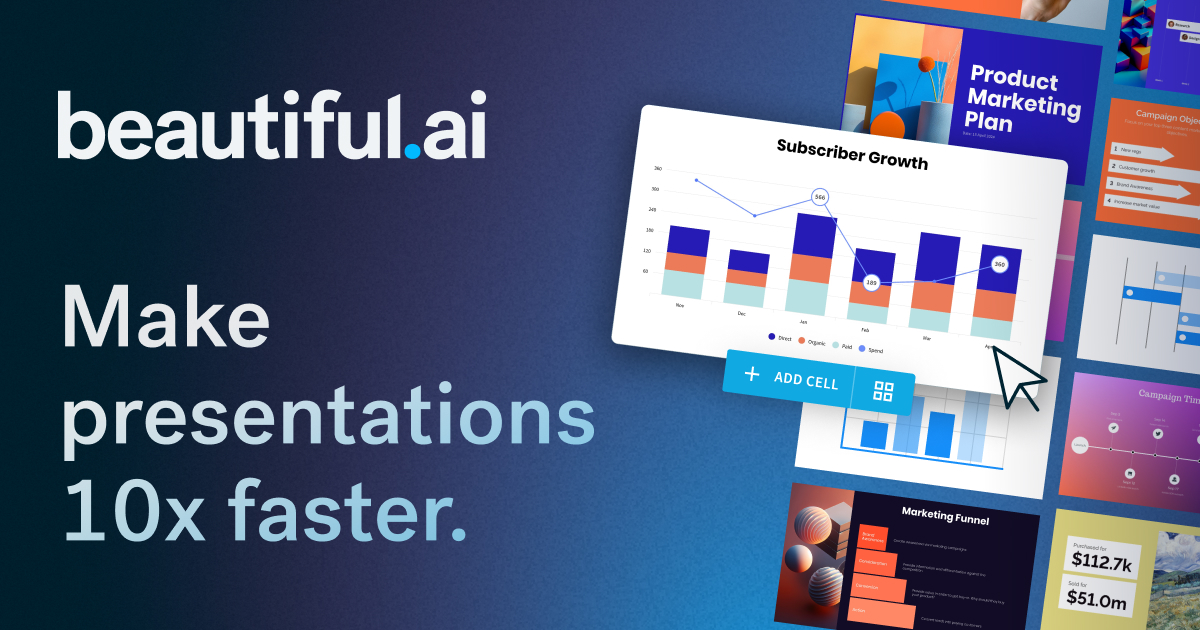
AI-powered presentation software for enterprise teams.
AI-powered tool for generating documents, spreadsheets, apps, charts, and images with citations
No-code automation platform connecting 9,000+ apps through trigger-and-action workflows and AI tools

AI tool for writing cover letters and preparing for interviews.

AI-powered pair programming tool for suggesting code in real-time

AI writing assistant that checks grammar, adjusts tone, and generates text across apps and websites

Optimize project management efficiently.