TL;DR
Unstract at a glance
Automate unstructured data processing with AI. Security: Flagged.
Overview
What is Unstract?
Unstract is an AI-driven tool designed to unlock insights from unstructured data. As a no-code platform, it processes and structures unstructured data, turning them into ready-to-use formats, making it particularly useful in automating laborious manual processes. The tool has application in several industries, especially in the fields of insurance and finance. For instance, it assists in expediting and enhancing the accuracy of document processing in insurance claims, underwriting, and KNOW-YOUR-CUSTOMER (KYC) procedures.Some notable features of Unstract include: LLMWhisperer, LLMeval, and LLMObservability. The LLMWhisperer component is designed to optimize the presentation of data from complex documents to Large Language Models (LLMs). LLMEval, on the other hand, uses two independent LLMs to validate extracted data's accuracy, providing confidence scores. LLMObservability monitors data interactions throughout a project, from its development stages to its production, providing visibility of how your data interacts with LLMs.Moreover, Unstract offers features like ETL Pipelines and API deployments to integrate unstructured data workflows into existing applications. The Automation Hub feature can structure various common unstructured documents, enhancing operational efficiency. And, with the API Hub, apps can manage unstructured data without dealing directly with LLMs. Unstract also presents a no-code feature called Prompt Studio, which extracts structured data from any document.Lastly, Unstract doesn't ignore the aspect of user interaction. It offers a DocDialog technology that allows users to interact naturally with their documents. Overall, this tool stands out for its adherence to strict rules and regulations of various compliance authorities, ensuring your data always remains safe, secure, and private.
Trust
Security assessment
Methodology
How this score was built
Each scored criterion links to the published page it was derived from. Unscored criteria are marked, not guessed. This listing has not been hands-on tested.
- 4/10
- 6/10
- Not assessed
Ease of Use
Requires hands-on use of the product.
- 6/10
- Not assessed
Reliability & Performance
Requires hands-on use of the product.
- Not assessed
Integration Capabilities
No citable published evidence in this pass.
- Not assessed
Customer Support
No citable published evidence in this pass.
- Not assessed
Company Stability
No citable published evidence in this pass.
- Not assessed
Update Frequency
No citable published evidence in this pass.
- Not assessed
Startup-Friendliness
No citable published evidence in this pass.
FAQ
Frequently asked questions
What is Unstract and what does it do?
Automate unstructured data processing with AI.
What does Unstract cost in India?
Unstract is a paid tool. A free plan is available to get started.
Is Unstract safe for startups?
Unstract is flagged on our Security & Data Privacy criterion (scored below 12/20). Review the full assessment before using it for sensitive startup data.
How is Unstract rated on One9Founders?
Unstract has not yet been rated on our 10-point evaluation framework. See How We Rate for the 10-criterion framework and status definitions.
Community
Reviews & comments
Become the first to write about this tool
Last assessed: 22 August 2026
Alternatives
Alternatives to Unstract
AI-powered analysis of SEC filings and financial data
AI-powered platform for tax research.
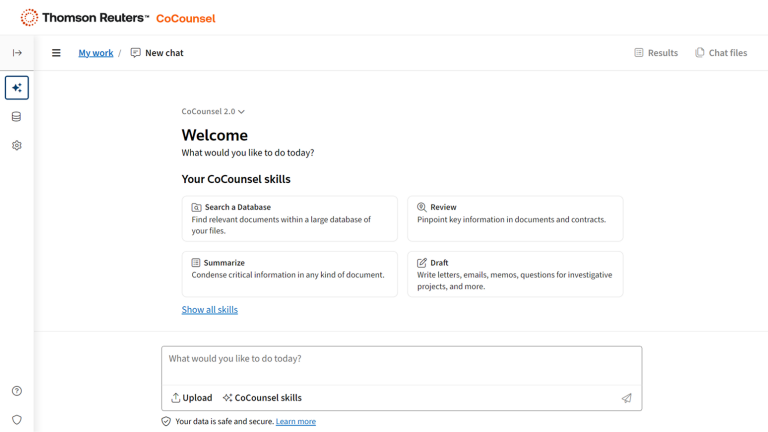
AI technology for legal professionals by Thomson Reuters.

Contract management software using AI for centralization.
till_infinity is a free finance tool designed for users interested in AI agents, algorithmic trading, cryptocurrencies, forex, machine learning, and quantitative finance. With a focus on trading scann
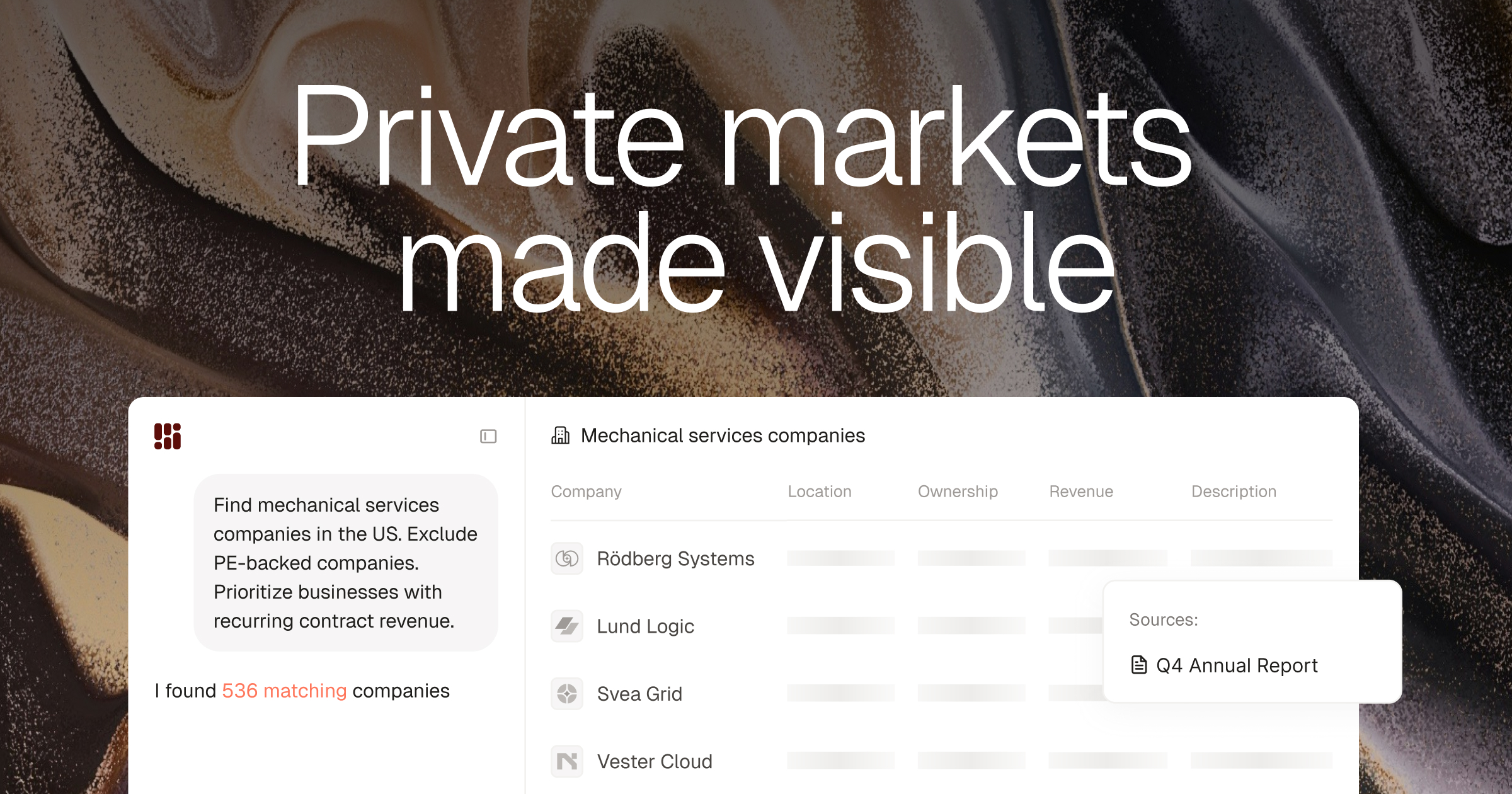
AI-Powered M&A Target Discovery for Speed, Efficiency, and Strategic Insights
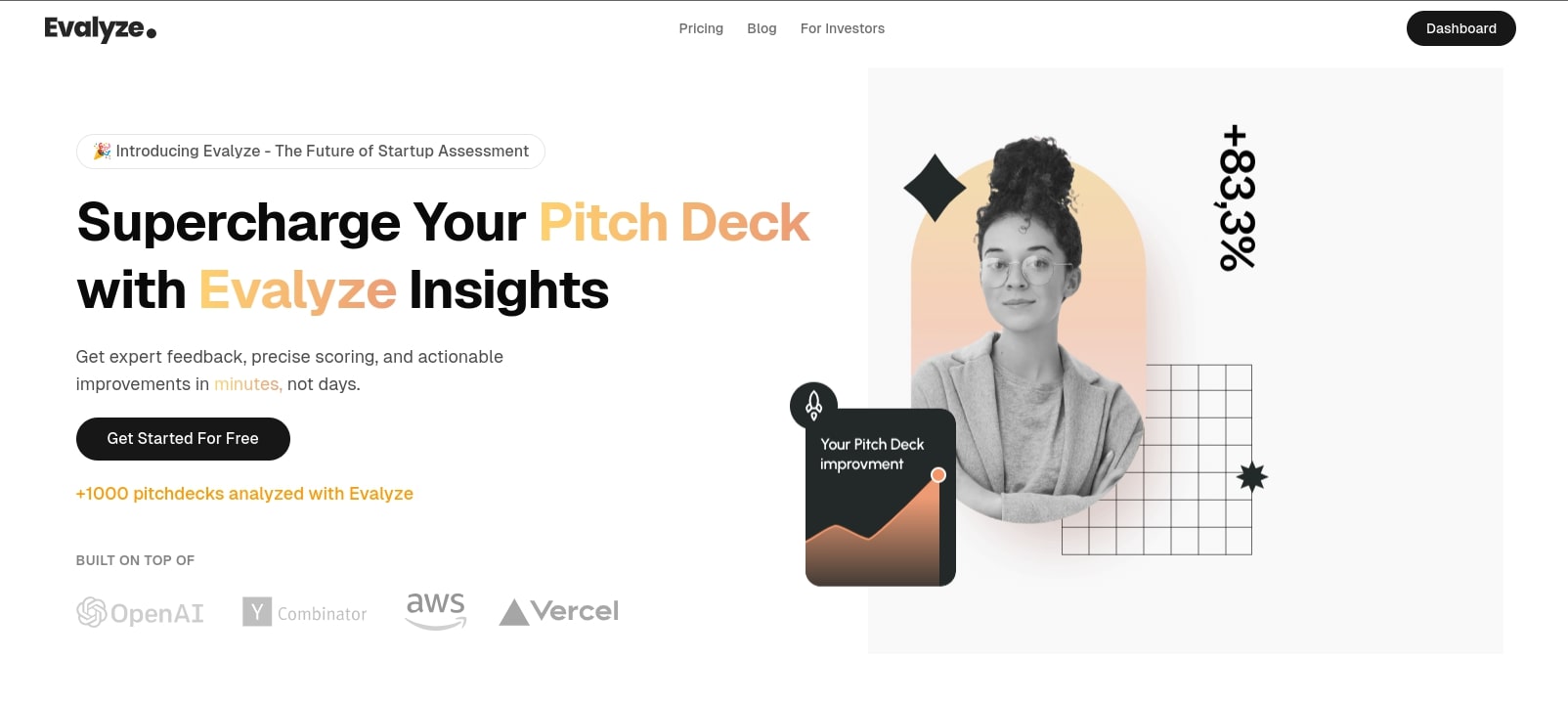
AI tool for matching startups with investors.
Tool for conducting stock research and analysis.